
By CultureBanx Team
- Samsung workers nearly shut down a key part of the global AI chip supply chain over demands for a bigger share of the company’s profits
- The labor standoff highlights a growing global debate around who benefits most from the AI economy: executives, shareholders, or workers powering the industry
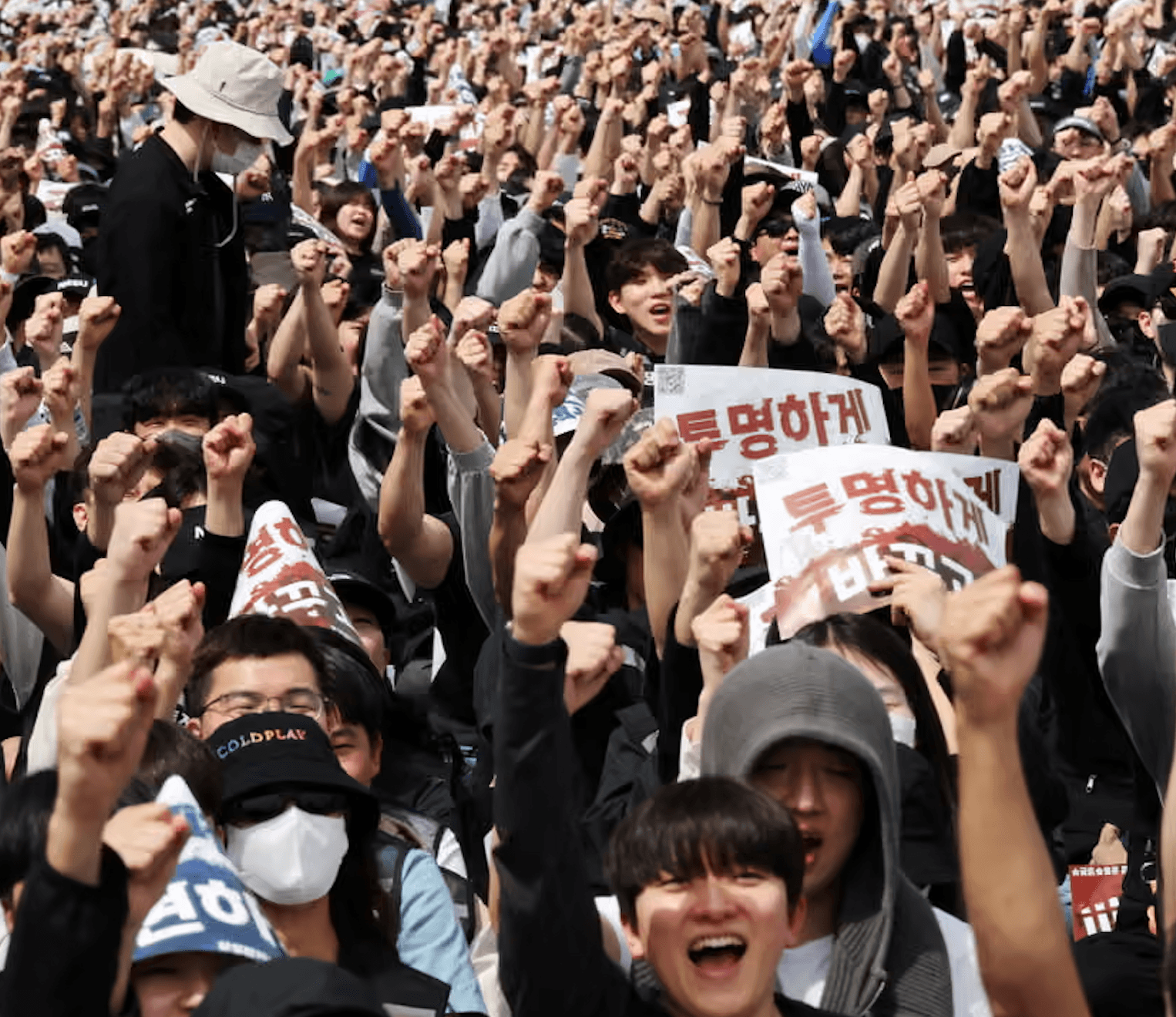
Samsung Electronics (005930.KS +2.22%) narrowly avoided a major labor strike that could have rattled the global AI economy after reaching a last-minute wage agreement with its unionized workers in South Korea. The tentative deal paused an 18-day strike involving nearly 48,000 employees and immediately sent Samsung shares soaring almost 8%. Behind the market rally is a much bigger conversation around labor, wealth inequality, and the people fueling the AI boom.
Why This Matters: This isn’t just a Samsung story. As AI transforms economies around the world, workers are no longer satisfied with being told innovation alone will create prosperity. They want direct access to the value they help build. It reflects a global shift in how workers are thinking about power, ownership, and compensation in the AI era.
Samsung’s employee union dispute threatened to disrupt global AI supply chains at a moment when demand for advanced chips is already outpacing supply. Analysts estimated the strike could have impacted up to 4% of global DRAM production and 3% of NAND chip supply.
The union’s demands centered on one issue: workers wanted a larger share of the massive profits Samsung is expected to generate from AI-driven semiconductor demand. Memory chips are now the backbone of the artificial intelligence race, powering everything from generative AI tools to cloud infrastructure. Samsung, alongside rival SK Hynix, has become one of the most important players in that ecosystem.
Under the proposed agreement, some semiconductor employees could receive bonuses worth as much as $416,000 over the next decade, much of it paid in stock. The package includes a 6.2% average wage increase and profit-sharing tied directly to operating performance. Workers originally pushed for 15% of operating profits, while Samsung reportedly agreed to approximately 10.5%.
What’s Next: AI has become one of the world’s most lucrative sectors. Companies connected to semiconductor production are seeing enormous gains as governments and corporations race to dominate artificial intelligence infrastructure. Yet workers are increasingly asking whether the AI revolution will simply create another era of concentrated wealth.
That question resonates globally, particularly among younger workers and multicultural communities who are already skeptical about whether emerging technologies will create equitable economic opportunities.
CBX Vibe: “New Tingz” Armani