
By CultureBanx Team
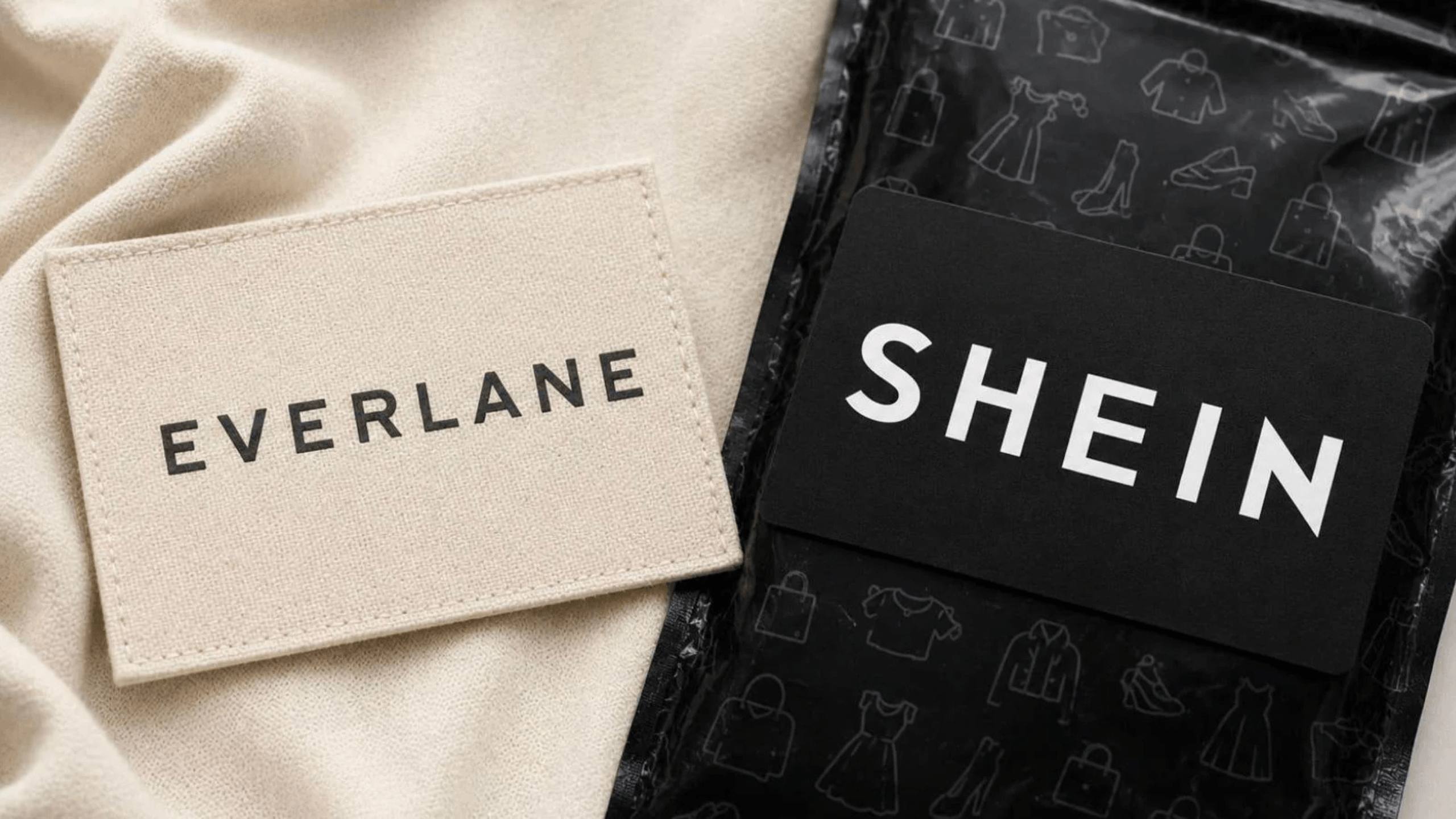
- Everlane’s $100M sale to Shein represents the growing tension between ethical branding and economic survival
- Multicultural consumers are being forced to question whether sustainability was ever truly accessible under capitalism
For years, Everlane sold millennials a dream: buy fewer clothes, know your factories, trust the process. The brand built its identity on “radical transparency,” minimalist aesthetics, and the idea that consumers could shop their way into a more ethical future. Now, after reports surfaced that ultra-fast fashion giant Shein is acquiring the struggling retailer for roughly $100 million, many are asking whether the sustainable fashion era millennials championed is officially over
Why This Matters: Everlane became a status symbol for socially conscious shoppers who rejected the excesses of fast fashion. Meanwhile, Shein has become synonymous with hyper-consumption, ultra-cheap clothing drops, environmental waste, and labor scrutiny. The pairing feels less like a merger and more like a funeral for the aspirational ethics that defined 2010s consumer culture.
Retail giant Shein has been criticized for overproduction, alleged labor abuses, environmental concerns, and fueling the disposable culture of trend fashion, which earned $2 billion in profits last year, according to Business of Fashion. For Everlane, the sale represented a shift in the retail landscape and an opportunity to clear $90 million in debt that majority owner L Catterton, a private equity firm, had been seeking since March.
Sustaining Fashion: Millennial sustainability culture emerged during an era when consumers believed corporations could be pressured into doing better through purchasing choices. Brands like Everlane, Allbirds, and Reformation positioned themselves as alternatives to exploitative retail systems, promising cleaner supply chains and more responsible production. Economic pressures intensified post-pandemic, many of those ideals collided with reality, GQ reported.
That’s what makes this moment culturally important. Everlane’s reported sale exposes how “ethical consumerism” often remained a luxury positioned toward upper-income shoppers. When inflation, student debt, and rising housing costs hit, many consumers simply prioritized affordability over ideology.
For multicultural audiences, this moment also reflects a larger generational fatigue. Younger consumers, especially Gen Z have inherited climate anxiety, economic instability, and widening wealth gaps simultaneously. In many ways, the collapse of the millennial sustainability fantasy may create room for something more honest.
True sustainability was never going to come from expensive neutral-toned basics alone. It requires systemic labor protections, fair wages, environmental accountability, and accessible pricing models, not just aesthetic branding.
Situational Awareness: Everlane’s acquisition by Shein feels symbolic of a broader cultural shift away from performative ethics and toward economic realism. The millennial era sold consumers the idea that buying the “right” products could change capitalism from within. Though rising costs, corporate consolidation, and consumer distrust are exposing how fragile that model really was.
CBX Vibe: “Everything is Everything” Ms. Lauryn Hill