By Stacker
- Hurricane coverage adds an average of over $4,500 per year to homeowners insurance premiums in Florida and Louisiana
- Insurers paid out $65 billion after Katrina and hurricane deductibles were implemented to offset these losses
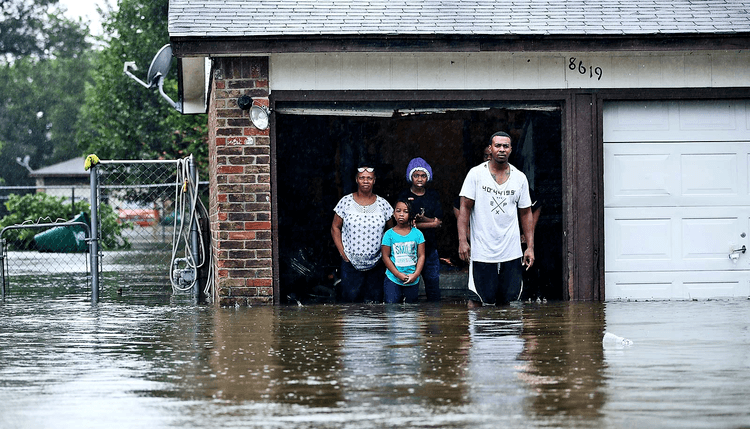
This “hurricane tax” reflects the real cost of insuring a home against named-storm damage in the country’s highest-risk states. Hurricane coverage adds an average of over $4,500 per year to homeowners insurance premiums in Florida and Louisiana. As warmer ocean waters fuel more intense storms and major insurers continue to exit coastal markets, homeowners in hurricane-prone states are paying more and getting fewer choices than ever before.
Whether you’re a snowbird eyeing a second home in the Sunshine State or a longtime coastal resident reviewing your policy, this guide from Insure.com will help you understand how hurricane deductibles work, when they kick in, and how to lower your premium can save you thousands per year.
What is a hurricane deductible — and why does it exist?
A hurricane deductible is a separate deductible that applies when damage is caused by a named storm or hurricane recognized by an official source, such as the National Weather Service.
- Hurricane deductibles are typically applied as percentages, such as 2%, 5% or 10%, although a flat deductible may be available to some homeowners.
- The deductible is a percentage of the dwelling coverage on the policy, not the cost of the loss.
- A hurricane deductible doesn’t apply to regular wind or rain events. The policy’s regular deductible applies in those situations.
Nineteen states have hurricane or named storm deductible provisions in place, according to the National Association of Insurance Commissioners. First introduced after the catastrophic losses of Hurricane Andrew in 1992, the adoption of these deductibles expanded after Hurricane Katrina in 2005.
After a major hurricane, people are dealing with a lot of total losses, according to Chris Bacon, chief operating officer of Openly, which provides home insurance in 24 states. “You’re not dealing with houses that are moderately damaged,” Bacon says.
Those losses mean billions are paid out by insurers — $65 billion after Katrina, for instance — and hurricane deductibles were implemented to offset these losses. They’re intended to keep coverage affordable and accessible to homeowners, and there’s no sign they’ll be going away.
How is climate change affecting your homeowners insurance rates?
Climate change is driving homeowners insurance rates higher by intensifying the storms, floods, and wildfires that insurers have to pay for. Across the country, homeowners insurance premiums rose 24% between 2021 and 2024 — twice the rate of inflation — according to a 2025 report from the Consumer Federation of America. With the last 11 years ranking as the warmest on record, according to the World Meteorological Organization, the trend is accelerating, not slowing down.
The “hurricane tax”: How much adding hurricane coverage really costs
In states where hurricane damage is excluded from a standard policy, adding hurricane coverage can dramatically increase your annual premium.
According to our data, Florida and Louisiana show the clearest “hurricane tax” pattern — premiums jump by roughly $4,500 a year with hurricane coverage and a 2% deductible. In other coastal states like Alabama, Mississippi, and Georgia, premiums actually decrease slightly when a 2% hurricane deductible is added, because hurricane damage is included in a standard policy in those states, and the higher deductible just shifts more risk onto the homeowner.
CBX Vibe: “Through The Storm” YoungBoy NBA